


Fixing Issues Beyond Just a Quick Paint Job for Lasting Results
When a wall starts to look tired or a surface shows signs of wear, the first instinct might be to slap on a fresh coat of paint. While painting can brighten a space, it often only masks the real problems beneath. Fixing issues beyond just a quick paint job is essential for lasting results. This approach saves time, money, and frustration in the long run.
Painting is a surface treatment. It does not address structural damage, moisture problems, or poor preparation. Ignoring these underlying issues leads to peeling, cracking, and fading paint, which means the problem returns quickly. To achieve a durable finish, you need to identify and repair the root causes before applying paint.

Understanding the Root Causes of Surface Problems
Before painting, it is crucial to inspect the surface carefully. Common issues that cause paint to fail include:
Moisture intrusion: Water leaks or high humidity can cause paint to bubble and peel. Moisture can come from plumbing leaks, roof damage, or poor ventilation.
Structural cracks: Cracks in walls or ceilings indicate movement or settling. Painting over cracks without repair will only make them more visible later.
Surface contamination: Dirt, grease, or old loose paint prevents new paint from adhering properly.
Poor previous repairs: Patch jobs that were not done correctly can cause uneven surfaces and paint failure.
Identifying these problems early allows you to take the right steps to fix them. For example, if moisture is the cause, you must stop the leak and dry the area before painting.
Preparing the Surface for Repair and Painting
Proper preparation is the foundation of a lasting paint job. Here are key steps to prepare surfaces:
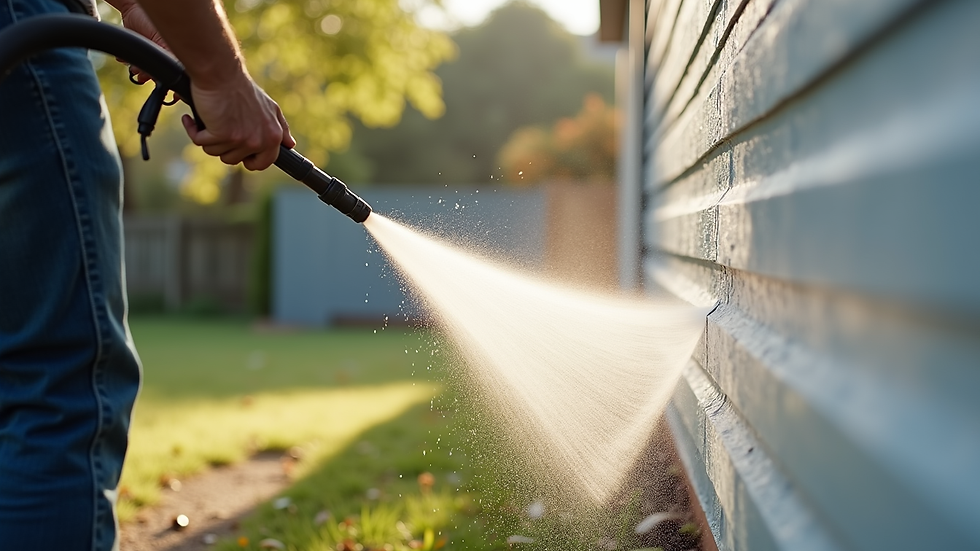
Clean thoroughly: Remove dirt, dust, and grease using appropriate cleaners. For greasy areas like kitchens, use degreasers.
Remove loose paint: Scrape or sand away peeling or flaking paint to create a stable base.
Repair cracks and holes: Use suitable fillers or patching compounds. For large cracks, reinforcing with mesh tape may be necessary.
Address moisture: Fix leaks, improve ventilation, and use moisture barriers if needed.
Prime the surface: Apply a primer compatible with the paint and surface type. Primers improve adhesion and seal repaired areas.
Skipping these steps leads to paint that looks good at first but fails quickly.
Choosing the Right Materials for Long-Term Success
Selecting quality materials makes a big difference. Consider these tips:
Use high-quality paint designed for the specific surface and environment. For example, use mold-resistant paint in bathrooms.
Choose primers that match the surface type, such as stain-blocking primers for water stains.
Select fillers and patching compounds suitable for the size and type of damage.
Use tools like brushes and rollers that provide even coverage.
Investing in good materials upfront reduces the need for frequent repainting.
Real-Life Example: Fixing a Water-Damaged Wall
A homeowner noticed bubbling paint and discoloration on a living room wall. Instead of painting over it, they took these steps:
Inspected the wall and found a leaking pipe behind it.
Fixed the plumbing issue to stop moisture.
Removed damaged drywall sections.
Allowed the area to dry completely.
Repaired the drywall and applied primer.
Painted with a high-quality interior paint.
This approach prevented recurring damage and kept the wall looking fresh for years.
Why Quick Fixes Fail
Quick fixes like painting over cracks or stains without repair only delay the inevitable. Paint will peel, crack, or discolor again because the underlying problem remains. This leads to:
Increased costs from repeated repairs.
Frustration from ongoing maintenance.
Reduced property value due to visible damage.
Taking time to fix issues properly saves money and effort over time.
Tips for DIY and When to Call Professionals
Many repairs can be done by homeowners with the right tools and knowledge. Here are some tips:
Start with small cracks and holes using patching compounds.
Clean and prime surfaces thoroughly.
Use paint suited for the room’s conditions.
Call a professional if:
You suspect structural damage.
There is extensive moisture or mold.
You are unsure about the source of damage.
Professionals can diagnose hidden problems and ensure repairs meet safety and quality standards.


Comments