


Top 5 Common Mistakes to Avoid When Painting Your Home
Painting your home can transform its look and protect it from the elements. Yet, many homeowners make avoidable mistakes that lead to poor results, wasted money, and frustration. Knowing the common pitfalls can save you time and effort, and help you achieve a beautiful, long-lasting finish. If you want to skip the hassle, hiring professionals is a smart choice. Here are the top five mistakes people make when painting their homes and how to avoid them.

1. Ignoring the Right Painting House Weather
One of the biggest mistakes is painting in unsuitable weather conditions. Painting house weather matters because temperature, humidity, and wind affect how paint dries and adheres.
Too hot or too cold: Paint dries too fast in hot weather, causing cracks and uneven texture. Cold weather slows drying, leading to poor adhesion.
High humidity: Moisture in the air prevents paint from drying properly, causing bubbling or peeling.
Windy days: Dust and debris can stick to wet paint, ruining the finish.
The ideal painting house weather is mild temperatures between 50°F and 85°F (10°C to 29°C), low humidity, and calm winds. Check the forecast and plan your project accordingly.
2. Skipping Surface Preparation
Proper surface preparation is crucial for paint to stick and last. Many homeowners rush this step, leading to peeling, cracking, or uneven color.
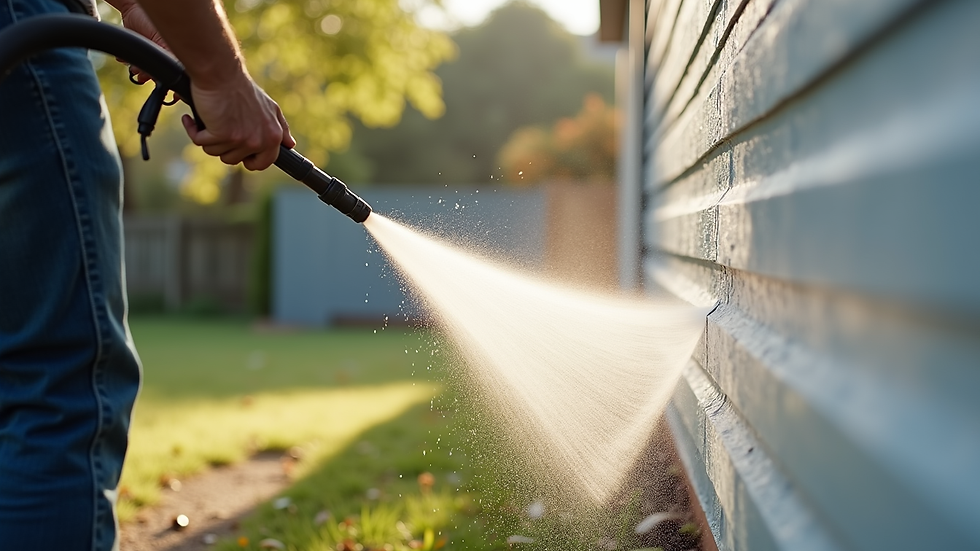
Cleaning: Dirt, dust, and mildew prevent paint from bonding. Use a pressure washer or scrub with soap and water.
Repairing: Fill cracks, holes, and damaged areas with suitable fillers. Sand rough spots smooth.
Priming: Primer seals porous surfaces and improves paint adhesion. Always prime bare wood, metal, or patched areas.
Skipping these steps can cause your paint job to fail within months, costing more in repairs.
3. Using the Wrong Paint or Tools
Choosing the right paint and tools affects the quality and durability of your work.
Paint type: Exterior paint must withstand weather changes. Use high-quality, weather-resistant paint designed for your surface (wood, stucco, brick).
Finish: Flat paint hides imperfections but is less durable. Satin or semi-gloss finishes resist dirt and moisture better.
Brushes and rollers: Use brushes with synthetic bristles for latex paint and natural bristles for oil-based paint. Rollers should match the surface texture.
Using cheap paint or the wrong tools leads to poor coverage, streaks, and faster wear.
4. Applying Paint Incorrectly
How you apply paint matters as much as what you apply.
Too thick or thin coats: Thick coats drip and take longer to dry. Thin coats may not cover well.
Skipping multiple coats: One coat rarely provides full coverage or durability. Two or more coats ensure even color and protection.
Ignoring drying times: Painting over wet paint traps moisture and causes peeling. Follow manufacturer instructions for drying times between coats.
Proper technique ensures a smooth, even finish that lasts.

5. Not Protecting Surrounding Areas
Painting can be messy. Failing to protect windows, plants, walkways, and furniture leads to stains and damage.
Use painter’s tape to mask edges.
Cover plants and outdoor furniture with plastic sheets.
Lay drop cloths on the ground.
Remove or cover hardware like light fixtures and door handles.
Taking these precautions saves cleanup time and prevents costly damage.
Painting your home is a rewarding project when done right. Avoiding these common mistakes will improve your results and extend the life of your paint job. Remember, painting house weather plays a key role in success, so plan your timing carefully. If you want a flawless finish without the stress, hiring experienced painters is the best way to protect your investment and enjoy a beautiful home exterior.


Comments